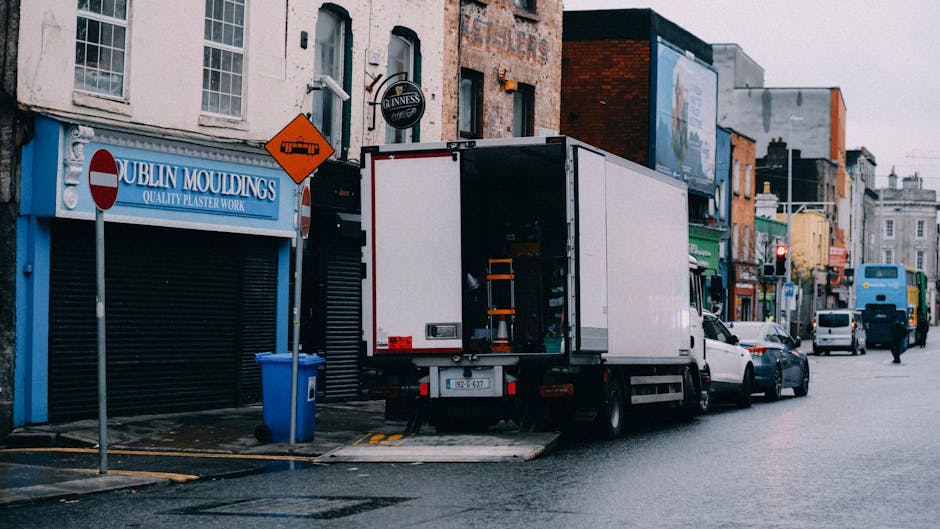
Great Eastern Street removals advice for tight loading bays
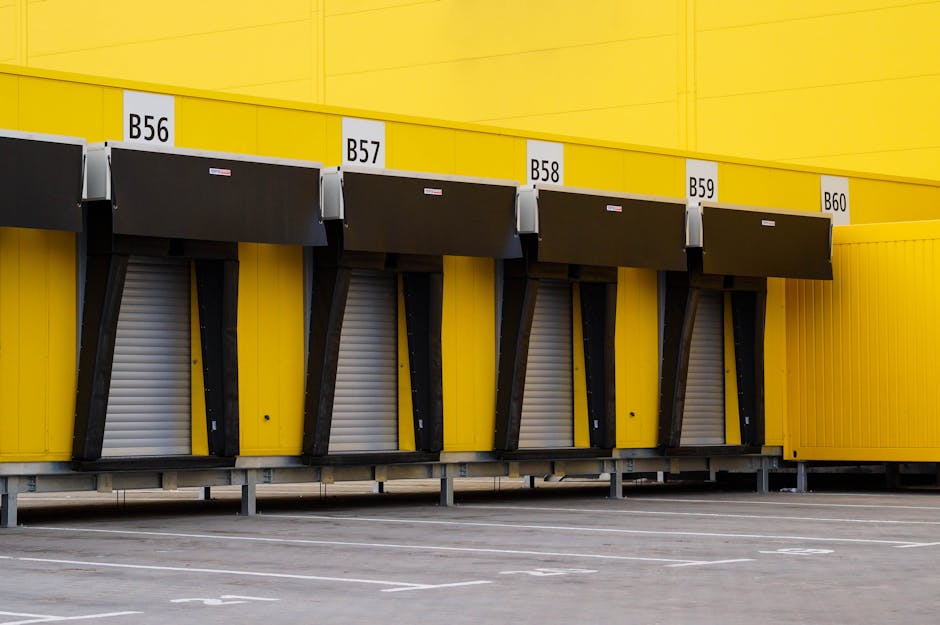
If you are planning a move around Great Eastern Street, the loading bay can make or break the day. One awkward parked car, a rushed carry, or a van that is just a bit too long for the space, and suddenly a simple move turns into a stop-start headache. This guide gives practical Great Eastern Street removals advice for tight loading bays, so you can plan the route, choose the right vehicle, and avoid the sort of mistakes that chew up time and patience.
To be fair, tight loading bays are not unusual in this part of London. They are part of the local landscape: busy streets, shared access, limited stopping room, and the usual pressure of keeping everything moving. The good news is that a careful plan can save a lot of stress. Below you will find what matters, how the process works, the best methods for homes and offices, and a realistic checklist you can use before move day.
Why Great Eastern Street removals advice for tight loading bays Matters
Great Eastern Street is the kind of place where moving well is less about brute force and more about timing, positioning, and restraint. The loading bay may be short, shared, or obstructed by traffic at exactly the wrong moment. If your team arrives unprepared, the day can quickly become a chain of small delays: waiting for access, carrying items further than expected, or trying to fit a larger vehicle into a space that was never really designed for it.
That matters for homes, but it matters even more for offices and businesses. A delayed move can interrupt staff schedules, customer service, stock handling, or building access. And if you are moving bulky furniture, IT equipment, or fragile items, every extra minute in a tight bay adds pressure. A neat plan helps you keep the move controlled rather than reactive. That is the real point here.
There is also a practical local reality. In busy London streets, you often have to work around other deliveries, cyclists, pedestrians, and vehicles that seem to appear from nowhere. You know the feeling. One minute the bay is clear; the next it is not. So the aim is not perfection. It is preparation.
How Great Eastern Street removals advice for tight loading bays Works
The basic idea is simple: match the move to the space available. In practice, that means understanding the bay, the vehicle, the load sequence, and the time you will realistically need. A move into or out of a tight bay usually works best when the largest decisions are made before the day starts, not while you are standing at the kerb scratching your head.
Start with the access point. Measure the bay if you can, but also think about turning room, adjacent parked vehicles, nearby crossings, and whether the vehicle door can open safely without blocking everything. A short bay may still be manageable with the right van size and a disciplined loading order. A longer truck may be better for capacity, but worse for manoeuvrability. There is always a trade-off.
Then consider the carry distance. If the bay is tight and the property entrance is set back, you may need more porters, trolleys, or a smaller vehicle with a faster shuttle rhythm. That is why services like man and van support for local moves and flexible removal truck hire are often chosen depending on the street layout and the size of the load. The right setup is not the flashiest one. It is the one that keeps the pace steady.
If you are moving a flat, a studio, or a compact office, a smaller vehicle often gives you more control. If you have larger furniture or a bigger commercial load, it may make sense to combine transport planning with packing and unpacking services so the items are ready to move in fewer trips. One less trip, one less problem.
Key Benefits and Practical Advantages
Good planning for a tight loading bay does more than prevent frustration. It changes the shape of the move itself.
- Less wasted time: You spend more time moving items and less time repositioning the vehicle or waiting for access.
- Lower risk of damage: Shorter carries and clearer loading routes reduce knocks, scuffs, and awkward lifting angles.
- Better use of labour: The team can work in a rhythm instead of stopping every few minutes to rethink the next step.
- Safer handling: Fewer improvised lifts means less strain on backs, hands, and shoulders.
- Cleaner communication: Everyone knows where items go, who is carrying what, and when the vehicle can move.
There is a quieter benefit too: a smoother move feels less chaotic. That may sound minor, but on a stressful day it counts. People make better decisions when they are not flustered. An office team can keep working, a family can stay calm, and the person coordinating the move does not have to answer the same question twelve times. Helpful, honestly.
For businesses, careful bay planning also helps protect customer access and keeps neighbours happier. In dense streets, that goodwill is worth something. Nobody wants the move that blocks the entrance, rattles the shop next door, and leaves everyone muttering under their breath by lunchtime.
Who This Is For and When It Makes Sense
This advice is useful for anyone moving on or near Great Eastern Street, but it is especially relevant if your access is limited. That includes small apartments, upper-floor flats, studio offices, creative workspaces, and retail or commercial units with only a narrow loading window.
It also makes sense if you are dealing with one or more of the following:
- a short or shared loading bay
- a one-way street or restricted stopping area
- heavy furniture or awkward items
- multiple floors and no lift access
- time pressure from building management or business opening hours
- parking uncertainty on the day
If your move is commercial, it is worth looking at commercial moves support and, where relevant, office relocation services. Those services are often better suited to planning around desk equipment, filing, stock, and deadline-driven access.
For home moves, the same principles apply, just with a bit more furniture, a few more boxes, and probably one item nobody wants to carry: the awkward sofa. Everyone has one. It never turns properly. Never.
Step-by-Step Guidance
1. Check the bay before move day
Look at the loading bay in person if possible. A photograph on its own can miss the awkward bits: the slope, the kerb height, the sightline, or the way another vehicle blocks the approach angle. If you cannot inspect it yourself, ask someone to describe it clearly and, ideally, send fresh images from the exact spot.
2. Match the vehicle to the space
This is where many moves go sideways. A bigger truck may feel efficient on paper, but if it cannot manoeuvre into position easily, efficiency disappears fast. Smaller vehicles can be the smarter choice in tight access zones because they reduce reversing stress and make stop-start loading easier. If you need help deciding, compare moving truck options against smaller van-based approaches.
3. Build the loading order carefully
Put the biggest, heaviest, and least flexible items in first, but only once they are ready to go. That means wrapping, labelling, and grouping items before the van arrives. If your team is still taping boxes when the vehicle is in the bay, the whole schedule starts to slip. I have seen that happen more than once, and it is always the same story: one box, then another, then the clock starts winning.
4. Protect the building and the vehicle
Use floor runners, door protection, blankets, and corner guards where appropriate. In narrow entrances, even a slight bump can mark paintwork or chip wood. The aim is to keep the route clean and predictable. You do not need a fortress. You do need a bit of common sense and a few protective materials.
5. Keep the carry route short and clear
Once the vehicle is positioned, the route from door to bay should stay as open as possible. Move bins, bikes, loose furniture, and anything else that might trip people or narrow the passage. A clear path sounds basic, but in busy streets it makes a real difference.
6. Assign roles before the van arrives
Someone should know who is at the door, who is loading, who is checking the inventory, and who is speaking to the driver if anything changes. In a tight loading bay, confusion wastes space very quickly. Simple roles save time.
7. Build in a little buffer time
Not a huge amount. Just enough to handle one surprise without the whole move collapsing. A delivery truck, a blocked bay, a lift delay, or a missing key can happen. That does not mean the plan failed; it means you planned like someone who has done this before.
Expert Tips for Better Results
Here is where the small details pay off. In our experience, the best tight-bay moves are the ones where the team thinks like problem-solvers, not just carriers.
- Choose the smallest vehicle that still fits the job. It is often easier to do two efficient runs than one awkward one.
- Pre-pack fragile items with a landing plan. If the item is fragile and the bay is cramped, every extra touch point matters.
- Keep essentials separate. Documents, keys, chargers, medicines, and immediate-use items should travel in a clearly marked bag.
- Use clear labels for rooms or departments. It sounds dull. It is not. Labels reduce cross-traffic and confusion on arrival.
- Take a final walk-through. Before the van leaves, check corners, under desks, behind doors, and on shelves. Small items have a habit of hiding.
One good habit is to treat the loading bay like a chess square, not a parking spot. The position matters. The angle matters. The order matters. A few inches can change everything, especially when reversing into a tight gap with people waiting behind you and the street buzzing around you.
If you are moving a business, consider combining the transport plan with packing and unpacking services so items are organised before the vehicle gets to the street. That small bit of discipline often saves a surprising amount of time.
Common Mistakes to Avoid
Most move-day problems in tight bays are preventable. The pattern is usually the same: not enough planning, too much optimism, and one or two assumptions that turn out to be wrong.
- Booking a vehicle that is too large: If the bay is tight, size can become a liability.
- Assuming access will be clear all day: Streets change fast. A space that looks free at 8:00 can be gone by 8:15.
- Starting loading before the route is ready: If boxes are still spread across the hallway, loading slows immediately.
- Ignoring building restrictions: Some properties have time windows, lift rules, or entry procedures that need attention.
- Underestimating carry distance: Ten extra metres does not sound like much until you repeat it twenty times.
- Not briefing everyone: Even one person working to a different assumption can throw the rhythm off.
Let's face it, the phrase "we'll figure it out on the day" is not a plan. It is a wish. Sometimes that wish works out. Often it does not.
Tools, Resources and Recommendations
You do not need a warehouse of specialist equipment to handle a tight loading bay move, but a few items make life easier and safer.
- Furniture blankets and wraps: Good for protecting corners, tabletops, and polished surfaces.
- Removal straps and trolleys: Useful for moving heavier items over short distances without unnecessary strain.
- Labels and markers: Essential for keeping rooms, teams, and priority items organised.
- Door protectors and floor coverings: Helpful where access is narrow and repeated passing is expected.
- Checked vehicle dimensions: Make sure the length, height, and turning needs are known before booking.
For larger household moves, you may want to pair planning with home moves support or, if the property is more complex, house removalists. For a lighter move, man with van options can be a practical fit when access is constrained and the load is manageable.
If you need help lifting or collecting a single bulky item, the furniture pick up service may be the cleaner answer than trying to force a full-scale move plan into a tiny bay. Different jobs, different tools. Simple as that.
Law, Compliance, Standards, or Best Practice
For moves involving public roads, loading bays, and shared access, best practice matters just as much as timing. You should always work in a way that protects pedestrians, keeps emergency access clear, and respects any site-specific rules or local restrictions that apply to the building or street. If you are unsure about permission, time windows, or signage, check directly with the relevant property manager or local authority process before the move.
Safe handling is equally important. In the UK, employers and contractors are generally expected to manage manual handling responsibly and reduce avoidable injury risk. That means planning load sizes, using the right equipment, and not asking people to lift beyond what is sensible. Nothing dramatic. Just the basics done properly.
For office or commercial moves, keeping a clear inventory and identifying fragile or confidential items is also a good operational habit. It helps with traceability, reduces mistakes, and makes unpacking faster. If you want a move that feels orderly rather than improvised, those little standards matter.
And yes, bays and permissions can be a bit fiddly. But that is London for you. A bit of paperwork, a bit of patience, and the whole thing tends to go more smoothly.
Options, Methods, or Comparison Table
Choosing the right approach depends on how tight the bay is, how much you are moving, and how much time you have available. The comparison below gives a practical overview.
| Method | Best for | Strengths | Trade-offs |
|---|---|---|---|
| Man and van | Small to medium loads, short carries, compact access | Flexible, easier to position, often ideal for tight loading bays | May require more than one trip for larger moves |
| Removal truck hire | Large loads or long-distance moves | More capacity, fewer loads for bigger homes or offices | Can be harder to manoeuvre in narrow streets |
| Full-service removals | Busy households, office relocations, complex access | Less stress, better coordination, more support with packing and lifting | Needs more planning and may not suit very last-minute moves |
| Furniture-only collection | Single bulky items or partial clearances | Focused, efficient, avoids overbooking vehicle size | Not suitable for full-property moves |
For many Great Eastern Street jobs, the sweet spot is a smaller, agile setup rather than the biggest vehicle available. If the load is straightforward, that can keep the move calm and efficient. If the load is more complex, a broader removal plan may be worth it. There is no prize for making the access harder than it needs to be.
Case Study or Real-World Example
Picture a small office move from a top-floor workspace near Great Eastern Street. The team has desks, monitors, boxed files, a couple of storage units, and some awkward IT items that really should not be tossed around. The loading bay is short and only works cleanly if the vehicle arrives at the right angle. There is also a narrow window before the building gets busier in the morning.
In a situation like that, the move works best when the van arrives after the team has already grouped items by destination and priority. Fragile items are packed first. Labels are visible. The lift is clear. A single person is assigned to coordinate with the driver. Instead of trying to solve access problems while boxes are already at the door, the team uses the bay as a controlled handover point.
The key is not speed for its own sake. It is rhythm. One item out, one item in, no wandering, no guessing. The loading bay becomes a working zone rather than a bottleneck. And when a short delay appears - maybe a pedestrian crossing, maybe a parked vehicle - the plan still holds because there is a buffer built in. Truth be told, that is what most successful local moves have in common.
A similar approach works for households too, especially flats with limited street access. A smaller vehicle, properly packed boxes, and a sensible carry order often beat a rushed large-van strategy. It feels less dramatic, maybe, but much easier on the day.
Practical Checklist
Use this checklist before move day. It is simple, which is the point.
- Confirm the loading bay dimensions and access route
- Check whether any time restrictions or permissions apply
- Choose a vehicle that fits the bay and the load
- Measure larger furniture and awkward items in advance
- Pack and label boxes by room, team, or priority
- Prepare protective materials for doors, floors, and furniture
- Keep essential items separate and easy to reach
- Assign a clear point person for the move
- Leave a small buffer for traffic or access delays
- Do a final sweep before the vehicle departs
If you are handling a business relocation, it can also help to review about us to understand the service approach, then use contact us when you are ready to discuss the access details. That way, the booking conversation starts with the useful stuff rather than guesswork.
Get a free quote today and see how much you can save.
Conclusion
Great Eastern Street removals advice for tight loading bays comes down to one thing: control the variables you can control. Pick the right vehicle, pre-pack properly, plan the loading route, and give yourself enough breathing room to handle the unexpected. When access is tight, small decisions have a big effect.
The best moves in busy London streets are rarely the fastest ones on paper. They are the ones that stay calm, adapt without panic, and keep the team moving with purpose. If you get the access plan right, the rest of the day becomes much easier. And that, to be fair, is a pretty good place to be.
Whatever kind of move you are planning, take the time to set it up well. It saves energy, protects your belongings, and leaves you with a much better story to tell afterwards.
Frequently Asked Questions
What is the biggest challenge with Great Eastern Street loading bays?
The biggest challenge is usually space. Tight access, limited stopping room, and traffic movement all make it harder to position a vehicle safely and efficiently.
Should I choose a van or a larger truck for a tight loading bay?
In many cases, a smaller van is easier to position and quicker to work from. A larger truck may suit bigger loads, but only if the bay and street layout can handle it comfortably.
How early should I plan a move with restricted access?
As early as possible. Even a simple move benefits from checking dimensions, access routes, and any building rules before move day.
Can a man and van service work for a tight bay on Great Eastern Street?
Yes, often very well. A smaller, more flexible vehicle can be a strong choice where manoeuvrability matters more than raw capacity.
What should I do if the bay is occupied when the van arrives?
Have a backup plan. That might mean a short waiting window, a revised loading order, or a second access option if the property allows it.
Do I need packing help for this kind of move?
If you have fragile items, office equipment, or a lot of boxes, packing help can make the day much smoother. It reduces delays and keeps the loading order tidy.
How do I protect furniture in a cramped loading bay?
Use blankets, wraps, and corner protection, and keep the carry route as clear as possible so items are not bumped against walls or door frames.
Is this advice useful for office relocations as well as home moves?
Absolutely. Offices often have more equipment, more coordination, and tighter time windows, so access planning can be even more important.
What if I only need to move one bulky item?
A targeted furniture pick-up or a smaller transport arrangement may be the simplest option. It avoids booking more vehicle space than you need.
What is the most common mistake people make with tight loading bays?
The most common mistake is assuming the vehicle will fit and the street will stay clear without testing either assumption. That optimism tends to vanish pretty quickly on the day.
How can I make the move safer for my team?
Keep pathways clear, use the right equipment, avoid rushed lifting, and make sure everyone knows their role before the vehicle arrives.
What should I ask when booking removal support for a tight access move?
Ask about vehicle size, loading time, carry distance, access planning, and whether packing or unpacking help is available if needed. The more specific the conversation, the better the result.