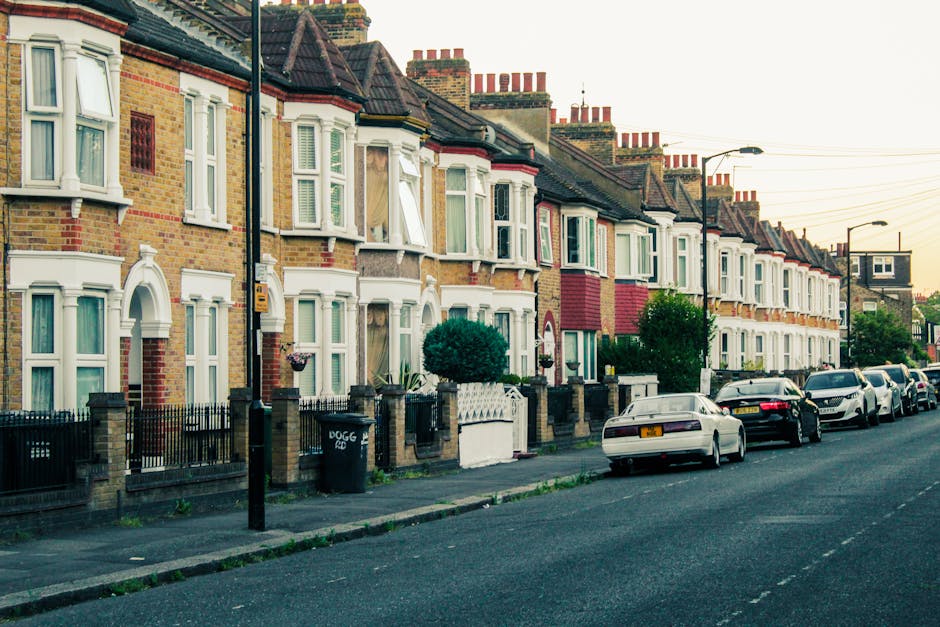
Avoid Hackney Council fines when you move in Shoreditch
Moving in Shoreditch can feel simple on paper and messy in real life. Tight streets, busy loading bays, resident permit zones, timed restrictions, and that classic London problem of "where exactly do we stop the van?" can all turn a normal move into an expensive headache. If you want to avoid Hackney Council fines when you move in Shoreditch, the trick is not luck. It is planning, timing, and knowing which part of the move is most likely to go wrong before it does.
This guide breaks down the practical side of moving without getting caught out. We will cover the likely fine triggers, how council enforcement usually affects removals, what to check before move day, and how to organise the whole thing so it feels calm rather than chaotic. To be fair, that calm feeling is worth a lot when the lift is wedged open, the kettle is still packed, and your neighbour is already looking at the pavement clock.
If you are planning a home move, a flat move, or even a small office relocation, this is for you. And if you want a more hands-on moving setup, services like home moves, man and van, or packing and unpacking services can make the process far easier to coordinate.
Table of Contents
- Why avoiding Hackney Council fines in Shoreditch matters
- How council enforcement works during a move
- Key benefits of planning properly
- Who this is for and when it makes sense
- Step-by-step guidance
- Expert tips for better results
- Common mistakes to avoid
- Tools, resources and recommendations
- Law, compliance, standards, or best practice
- Options, methods, or comparison table
- Case study or real-world example
- Practical checklist
- Conclusion
- Frequently asked questions
Why Avoid Hackney Council fines when you move in Shoreditch Matters
Shoreditch has a way of making even a straightforward move feel more complicated than it should. Streets can be narrow, traffic can slow to a crawl, and the space you need for a van often disappears fast. That is exactly where fines creep in: overstaying in the wrong place, stopping where loading is not allowed, blocking a bay, or misjudging the timing of a restriction.
And the thing is, a parking penalty or enforcement notice can ripple through the whole move. One small delay can mean extra labour time, a second trip, or furniture sitting in the van while you wait for access to clear. Nobody wants that. Not when you are already juggling keys, boxes, flatmates, neighbours, and a delivery of flat-pack shelves that arrived slightly too optimistic.
In busy parts of Hackney, the issue is rarely just the fine itself. It is the stress that comes with it. A stressed move becomes a rushed move, and a rushed move is where people miss signs, forget loading rules, or assume "just five minutes" is harmless. Usually it is not.
Practical takeaway: the cheapest move is rarely the fastest one. It is the one planned around local restrictions, access, and timing from the start.
That is why local moving support matters. If you are comparing options, a well-run man with van service or a properly sized removal truck hire can reduce the chance of repeated parking mistakes and last-minute scrambles.
How Avoid Hackney Council fines when you move in Shoreditch Works
There is no single magic rule. Avoiding fines is really about controlling the few parts of the move that councils and enforcement teams care about most: where the vehicle is, how long it stays there, whether the location is allowed, and whether the move is disrupting traffic or residents.
In plain English, the process usually looks like this:
- Check the street restrictions before the move. Look at parking controls, loading restrictions, bay hours, and any resident permit areas near both addresses.
- Plan the arrival window. Early morning may be easier on traffic, but it may not always fit building access rules. Midday can be busy. Late afternoon can be a nightmare if everyone is trying to unload at once.
- Choose the right vehicle size. If the vehicle is too small, you may need multiple trips. Too large, and you may struggle to stop safely or legally. Services like moving truck and removal truck hire are useful when volume and access need proper planning.
- Manage loading and unloading quickly. Keep people ready, boxes labelled, and access cleared. The van should not be sitting there while everyone searches for the mattress protector.
- Respect building rules as well as street rules. Some blocks have concierge instructions, time slots, lift bookings, or access codes. Ignoring those can create delays that lead to parking problems.
One thing people often miss is that the move is not just about the front door. It is about the whole route in and out. Can the van turn safely? Is there space to pause without blocking cyclists or buses? Is the driver able to load from the nearest legal point rather than taking a hopeful guess? Small details, but they matter.
If you are moving a business rather than a home, the same idea applies, only faster and with more pressure. A smooth commercial move or office relocation service usually depends on staging, timing, and vehicle choice just as much as packing.
Key Benefits and Practical Advantages
Planning to avoid fines is not just about saving money, although that is obviously part of it. It also makes the move more predictable. And in Shoreditch, predictability is gold.
- Fewer delays: when parking and access are planned, teams spend less time circling the block or waiting for a gap.
- Lower stress: you are not trying to solve a parking issue while carrying a sofa up stairs. That combination is rough, honestly.
- Better control over costs: fewer delays usually means fewer extra hours, fewer failed trips, and fewer "we will just move the rest tomorrow" moments.
- Safer lifting and handling: if the vehicle is placed well, items move faster and with less carrying distance.
- Cleaner neighbour relations: good timing and tidy loading make you less likely to annoy the people who live opposite.
There is also a quieter benefit. When you know the parking plan is sorted, you can focus on the actual move. You can think about whether the lamp goes in the bedroom or the study instead of worrying whether the van is technically half in a bay and half in trouble. That sounds small, but it changes the whole day.
If packing is the bit that slows you down, a service like packing and unpacking services can help you stay on schedule, which in turn reduces parking pressure. A quicker load-out is usually a safer one.
Who This Is For and When It Makes Sense
This guide is for anyone moving in or out of Shoreditch who wants to stay on the right side of local restrictions. That includes renters, homeowners, students in shared flats, landlords, small business owners, and anyone moving furniture or equipment in a tight urban setting.
It makes particular sense if:
- your street is narrow or heavily parked;
- you expect the van to be on site for more than a very short time;
- the building has awkward access or limited lift availability;
- you are moving during weekdays when enforcement and traffic are both busier;
- you are using a larger vehicle or doing a full-house move;
- you have to coordinate keys, cleaners, landlords, or building managers on the same day.
It also matters if you are only moving one or two bulky items. People often assume a small job is safer. Sometimes it is. But sometimes a quick furniture pick-up in a restricted street is exactly where people get caught out because they treat it casually. A simple furniture pick-up still needs the same parking awareness as a full move.
Truth be told, the smaller the job, the more tempting it is to take shortcuts. And that is where the fine risk can sneak in.
Step-by-Step Guidance
Here is a practical way to organise things so you are not improvising on move day.
1. Confirm your addresses and access details early
Know the exact pickup and drop-off points. Sounds obvious, but people still arrive assuming they can stop "near enough." In Shoreditch, near enough can still mean a penalty if the spot is not legal.
2. Map the restrictions around both properties
Check parking signs, loading times, permit zones, and any suspended bays. If there is limited stopping space, work out the nearest legal loading point. Do not leave this until the morning of the move.
3. Pick the right vehicle for the load
If the vehicle is too small, you will create extra trips and extra exposure to restrictions. If it is too large, access can become awkward fast. A local van solution such as man and van is often the simplest fit for smaller urban moves, while a larger truck makes sense for heavier or bulkier loads.
4. Load in the right order
Put the hardest-to-carry items near the exit. Keep essential items easy to reach. Label boxes clearly. This saves minutes, and in parking terms, minutes are the whole game.
5. Keep people ready before the vehicle arrives
If the van is waiting while you find keys or unwrap a bed frame, the plan starts to wobble. Have helpers, trolleys, blankets, tape, and routes ready.
6. Move quickly, but not recklessly
Fast is good. Rushed is not. A clean load from the nearest legal point is always better than a chaotic one from the wrong place.
7. Leave the area tidy
Packaging, straps, and cardboard should be managed properly. It is a small thing, but it keeps the move professional and reduces friction with neighbours or building staff.
If you are coordinating a full household move, it may also help to use house removalists who understand how to sequence the move around the vehicle rather than treating the vehicle as an afterthought.
Expert Tips for Better Results
A few practical habits make a huge difference in Shoreditch.
- Choose your time slot carefully. If you can avoid the busiest traffic windows, do it. The difference between a clean stop and a fraught one can be twenty minutes of road time.
- Keep the driver briefed. Give them the exact entrance, access code, and nearest legal stopping point. Do not assume they know the building.
- Use one person as the parking lead. Too many voices cause confusion. One clear person makes decisions faster.
- Have a backup plan for access issues. If the lift breaks or the loading bay is occupied, know your next move. A backup plan is boring. It also saves the day.
- Separate "must move now" items from "can wait" items. This reduces dwell time at the kerb.
- Be honest about the size of the job. If you are moving a lot more than expected, upgrade the vehicle or split the move properly. That is often cheaper than repeated penalties and multiple delays.
Small note from experience: the move usually goes better when someone has already packed a kettle bag, snacks, and the charging cable. People get grumpy when they are hungry and standing in the street. Very normal. Still a factor.
Common Mistakes to Avoid
Most fines happen because of a handful of repeat errors. If you can avoid these, you are already ahead.
- Assuming unloading makes stopping okay. It does not. The stopping rules still matter.
- Underestimating how long the move will take. Flat moves in Shoreditch almost always take longer than people expect.
- Using a vehicle without checking access. A van that is perfect in theory can be awkward on a tight street.
- Ignoring building rules. Some blocks have very specific move-in windows.
- Leaving permits or permissions until the last minute. That is a classic stress multiplier.
- Not coordinating helpers. If nobody is ready when the vehicle arrives, the clock starts working against you.
One more thing: do not treat a short stop as harmless just because it is "only for a minute." Councils and enforcement teams do not generally care that you were carrying a lamp shade. That is the reality, and it is why planning matters.
Tools, Resources and Recommendations
You do not need a complicated toolkit to avoid problems, but a few basics help a lot.
- Printed moving plan: addresses, contact numbers, access notes, and the load order.
- Signage or notes for helpers: especially useful in apartment blocks where people arrive at different times.
- Labels and markers: faster unloading means less time parked.
- Furniture covers and straps: protect your items and reduce slow, awkward handling.
- Box trolley or sack truck: helpful for safer, quicker movement from van to door.
- Weather-appropriate covers: because rain in London does not usually ask permission.
If you are moving a lot of furniture or heavy items, consider whether you need a larger vehicle or more hands. A moving truck is not just about capacity; it can reduce the number of journeys, which reduces exposure to parking issues. In some cases, a simple man with van setup is plenty. The right choice depends on volume, access, and how much time you have on the street.
For bigger business jobs, especially where desks, chairs, monitors, and filing need moving with minimal disruption, the best route may be a commercial service that understands timing around work hours. That is where commercial moves can be genuinely useful.
Law, Compliance, Standards, or Best Practice
This part needs a careful, plain-English approach. Local parking and loading rules can change, and specific enforcement details depend on the exact street, the time of day, and current council conditions. So rather than guessing, the sensible approach is to treat every move as a compliance exercise: check signs, follow access instructions, and do not assume a normal stopping place is allowed just because it looks convenient.
Good practice usually means:
- reading the signs at both ends of the move;
- checking whether loading is permitted at the time you plan to arrive;
- allowing time for traffic and access delays;
- making sure the vehicle is not blocking safety-critical access points;
- following building-specific move instructions if they exist;
- keeping the loading process as short and orderly as possible.
In many moves, the safest approach is to work backwards from the restrictions. If the street only gives you a small legal window, shape the packing, help, and vehicle choice around that window. Do not force the street to fit the move. It rarely works out.
One practical rule: if anything about the stop feels uncertain, slow down and re-check before unloading. A minute of caution can save a lot of bother later.
Options, Methods, or Comparison Table
There are a few common ways to handle a Shoreditch move. The best one depends on how much you are moving, how busy the street is, and how much time pressure you are under.
| Option | Best for | Strengths | Trade-offs |
|---|---|---|---|
| DIY with your own car | Very small loads | Cheap, flexible, simple for a few boxes | Often impractical for furniture; multiple trips increase risk |
| Man and van | Small to medium home moves | Flexible, efficient in tight streets, usually easier to coordinate | Still needs parking awareness and good timing |
| Moving truck | Larger household or heavier loads | Fewer journeys, better capacity, more efficient once staged well | Needs more careful access planning in narrow roads |
| House removalists | Full-property moves | Structured, practical, less pressure on you | May be more than you need for a tiny move |
There is no perfect answer for everyone. If you are moving from a top-floor flat with a sofa bed, two bikes, and a frustrating amount of books, a larger, more organised approach is usually worth it. If it is a handful of bags and a desk chair, keep it simple.
Case Study or Real-World Example
Imagine a typical Shoreditch move on a weekday morning. A renter is leaving a one-bedroom flat above a busy street. They have a sofa, a mattress, six boxes, a desk, and a lot more clutter than they realised was in the cupboard under the sink. The first plan is to park "near the door" and load as they go. Sounds fine. It is not.
What goes wrong? The stop takes longer than expected because the sofa needs two people, the lift is shared with another resident, and the van is parked just a bit too far from the entrance. Five minutes becomes fifteen. Fifteen becomes a parking problem. Then the driver has to move, the team pauses, and the whole rhythm breaks.
Now the better version. The mover checks access before the day, confirms the nearest legal loading point, books a vehicle size that matches the load, labels the boxes, and has helpers ready when the van arrives. The bed base, sofa, and boxes are out in one sweep. The street stop is short, tidy, and legal. No drama. No circling. No "we'll deal with that later."
That is usually how it works in real life. Not glamorous. Just organised.
Practical Checklist
Use this checklist before move day. It is simple, but it catches a lot of the avoidable problems.
- Confirm the exact pickup and drop-off addresses
- Check parking and loading restrictions for both locations
- Review building access rules, lift bookings, and entry codes
- Choose the right vehicle size for the job
- Decide who is responsible for parking and timing
- Pack and label boxes before the vehicle arrives
- Keep essentials easy to reach
- Prepare blankets, straps, tape, and a trolley if needed
- Build in extra time for traffic and delays
- Have a backup plan if access is blocked
- Make sure helpers know where to stand and what to move first
- Leave the street and building entrance tidy
If you only do one thing from this list, do the parking check early. It sounds dull. It saves money.
Conclusion
Avoiding Hackney Council fines when you move in Shoreditch comes down to one simple idea: respect the street, respect the timing, and respect the amount of work a London move actually involves. Once you stop treating parking as an afterthought, everything becomes easier. The move is smoother, the stress drops, and you avoid those little mistakes that turn into expensive lessons.
Whether you are moving a flat, a house, or a small workplace, the same rules apply. Plan access carefully, choose the right vehicle, keep the loading process tight, and do not rely on luck. In Shoreditch, luck is not a strategy. Preparation is.
If you want help with a move that feels properly organised from the start, a service such as home moves can be a practical way to keep everything on track without turning your day into a parking saga.
Get a free quote today and see how much you can save.
And if nothing else, give yourself a little breathing room on move day. A calm move is a better move, every time.
Frequently Asked Questions
Can I get fined just for stopping briefly while moving in Shoreditch?
Yes, it can happen if the stop is in a restricted place or outside permitted loading times. Brief does not automatically mean allowed, so check the signs and the local rules before you unload.
What is the safest way to avoid Hackney Council fines when moving in Shoreditch?
The safest approach is to plan the move around parking and loading restrictions, choose the right vehicle, and keep unloading time short. A well-organised move is much less likely to attract penalties.
Do I need a larger vehicle to reduce fine risk?
Not always, but the right vehicle can help. If a smaller van means repeated trips, you may be on the street more often and for longer. A properly sized vehicle can reduce the chance of delays.
Is a man and van service enough for a Shoreditch flat move?
For many small to medium moves, yes. It is often a sensible choice for tight streets because it is flexible and efficient. If you have a lot of furniture or awkward access, a larger option may be better.
What should I check before moving into a flat in Shoreditch?
Check parking restrictions, loading rules, lift bookings, access codes, and any instructions from the landlord or building manager. A few minutes of checking can save you a lot of trouble later.
Are office moves treated differently from home moves?
Not in the sense of the street rules, but office moves usually involve tighter timing and more coordination. If staff, equipment, and building access all have to align, parking planning becomes even more important.
Can packing faster really help avoid fines?
Yes, because the less time the vehicle spends stationary, the lower the exposure to restrictions. Good packing and clear labels can genuinely shave time off the loading process.
What if the nearest legal loading space is far from the entrance?
Then you need to plan for the extra carry distance. Use trolleys, extra hands, or a different vehicle setup if needed. Better to prepare than to improvise halfway through the move.
Should I use removal truck hire for a small move?
Usually not if the job is tiny. But if you have bulky furniture or a lot of boxes, a larger vehicle can reduce trips and make the move more efficient. It depends on the volume and the access.
How far in advance should I plan the parking side of a move?
Ideally as soon as you know the date. At minimum, check it several days ahead so you have time to adjust the vehicle size, arrival time, or packing plan if needed.
What is the biggest mistake people make when moving in Shoreditch?
Assuming they can "just stop for a minute" wherever is convenient. In a busy area like Shoreditch, that shortcut is often what leads to fines, delays, and a much more stressful day than necessary.
Where can I get help with a well-planned local move?
If you want practical support, look at the relevant moving options for your job size and access needs, and make sure the plan fits the street rather than fighting it. That usually gives the best outcome, and honestly, the least drama.